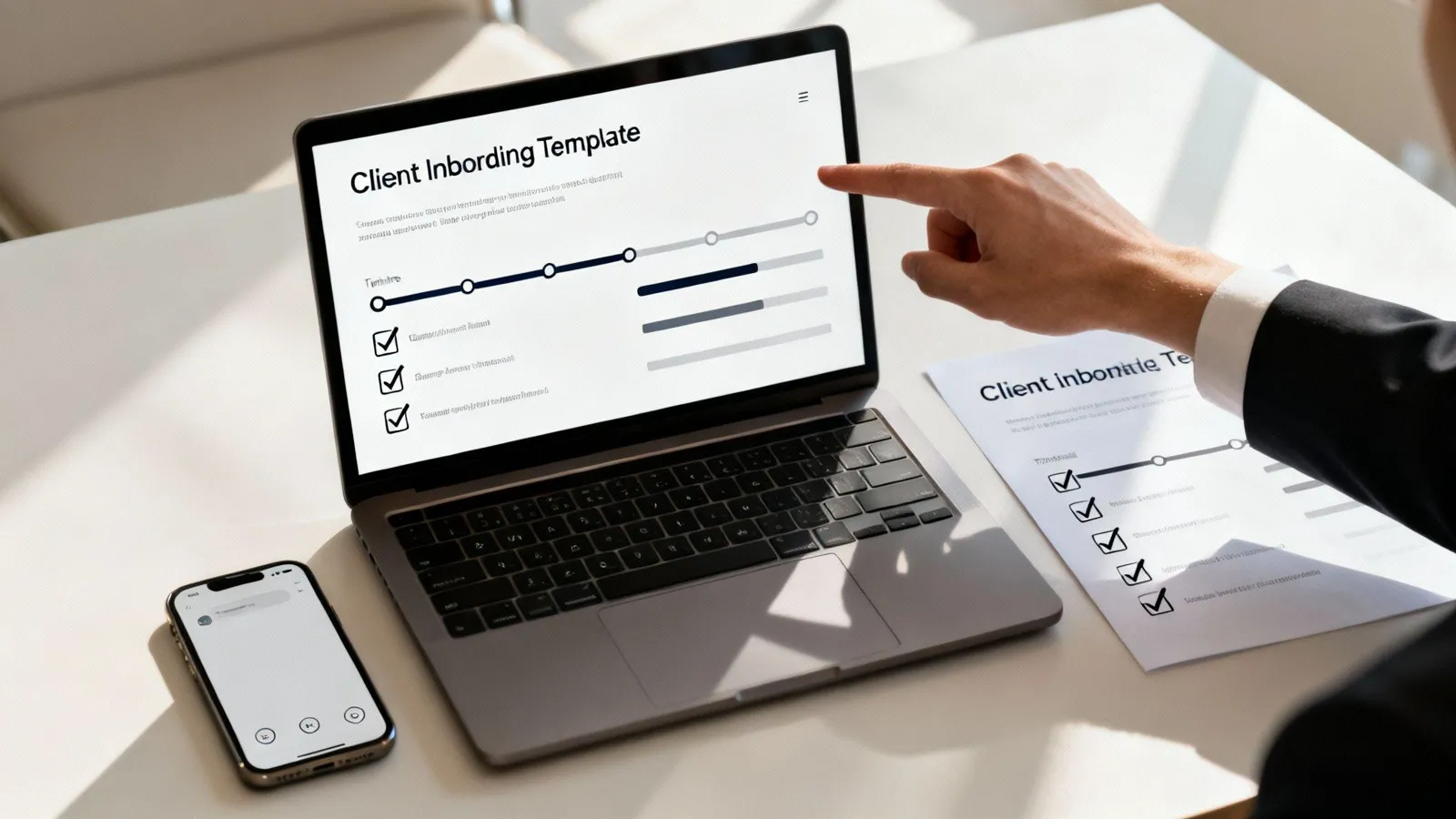
How to Create a Professional Freelance Client Onboarding Process
Starting a new freelance project is exciting, but the first few interactions with a client can determine how smoothly the entire project will go. Without a clear process, freelancers may face misunderstandings, unclear requirements, missed deadlines, and unnecessary revisions.
A professional client onboarding process helps you organize everything before starting work. It gives clients confidence, establishes expectations, and makes project management easier.
In this guide, you will learn how to create a simple and effective freelance client onboarding process.
What Is Client Onboarding in Freelancing?
Client onboarding is the process of welcoming a new client and collecting the information needed to begin a project.
It usually includes understanding project requirements, discussing deadlines, agreeing on deliverables, organizing communication, and confirming important details.
A well-organized onboarding process helps both freelancers and clients understand what to expect.
1. Send a Professional Welcome Message
Your first message after accepting a project should be friendly and professional.
Thank the client for choosing your services and briefly explain the next steps. Let them know what information you need before starting.
A clear welcome message creates a positive first impression and helps establish professional communication.
2. Understand the Project Requirements
Never begin a project without understanding what the client actually needs.
Ask relevant questions about:
Project goals and objectives
Required services or deliverables
Target audience
Preferred design or writing style
Important instructions
Expected completion date
For larger projects, prepare a short project questionnaire to collect all necessary information in one place.
3. Define the Project Scope
Project scope explains exactly what work is included in an agreement.
Clearly identify the tasks you will complete, the number of deliverables, and any services that are not included.
For example, a logo design project might include two initial concepts, two revision rounds, and final files in specific formats.
Defining the scope helps prevent misunderstandings and unexpected additional work.
4. Agree on Deadlines and Milestones
A project becomes easier to manage when everyone understands the timeline.
Break larger projects into smaller milestones whenever possible. Set realistic deadlines for each stage and communicate any dependencies that could affect delivery.
If you need information or files from the client, explain when you need them.
5. Confirm Pricing and Payment Terms
Before starting work, make sure the project budget and payment terms are clear.
Discuss the agreed price, payment schedule, deposit requirements if applicable, and any additional charges for work outside the original scope.
Keep important agreements documented so both parties can refer to them later.
6. Choose a Communication Method
Decide how you and your client will communicate throughout the project.
You may use email, a freelancing platform's messaging system, or another mutually agreed communication tool.
Also establish reasonable response expectations. This helps avoid confusion about when updates will be provided or when feedback is required.
7. Organize Project Files and Information
Keep all project-related information organized from the beginning.
Create a dedicated folder for documents, reference images, client instructions, drafts, and final deliverables.
Use clear file names so important materials are easy to locate.
Good file organization saves time and reduces the risk of losing important information.
8. Send a Project Confirmation
Before beginning the actual work, send a short confirmation message summarizing the agreement.
Include the project scope, deliverables, deadlines, communication method, and payment terms.
Ask the client to confirm that the details are correct. This final step ensures both sides have the same understanding.
Common Client Onboarding Mistakes to Avoid
Even experienced freelancers can make mistakes during onboarding. Try to avoid these common problems:
Starting work without understanding the requirements
Agreeing to unclear project deadlines
Not defining the number of revisions
Forgetting to confirm payment terms
Ignoring important client instructions
Keeping project information scattered
Making promises that cannot realistically be fulfilled
Taking a little time to organize the project at the beginning can prevent many problems later.
How GigBD.com Can Support Your Freelance Journey
Building a successful freelance career requires more than completing individual projects. You also need professional communication, good organization, and the ability to manage different tasks efficiently.
GigBD.com provides an online platform where users can explore available task-based opportunities and develop practical experience.
Whether you are beginning your online work journey or improving your professional skills, building good work habits can help you become more organized and prepared for future opportunities.
Final Thoughts
A professional client onboarding process makes freelancing easier for both you and your clients. By confirming requirements, defining project scope, agreeing on deadlines, organizing files, and maintaining clear communication, you can create a stronger foundation for every project.
Start with a simple onboarding checklist and improve it as you gain experience. Small improvements in your workflow can make a meaningful difference in your professional journey.